Are you doubting between leasing or renting for a machine? Discover the legal, fiscal, and accounting differences and choose the solution that fits your business.
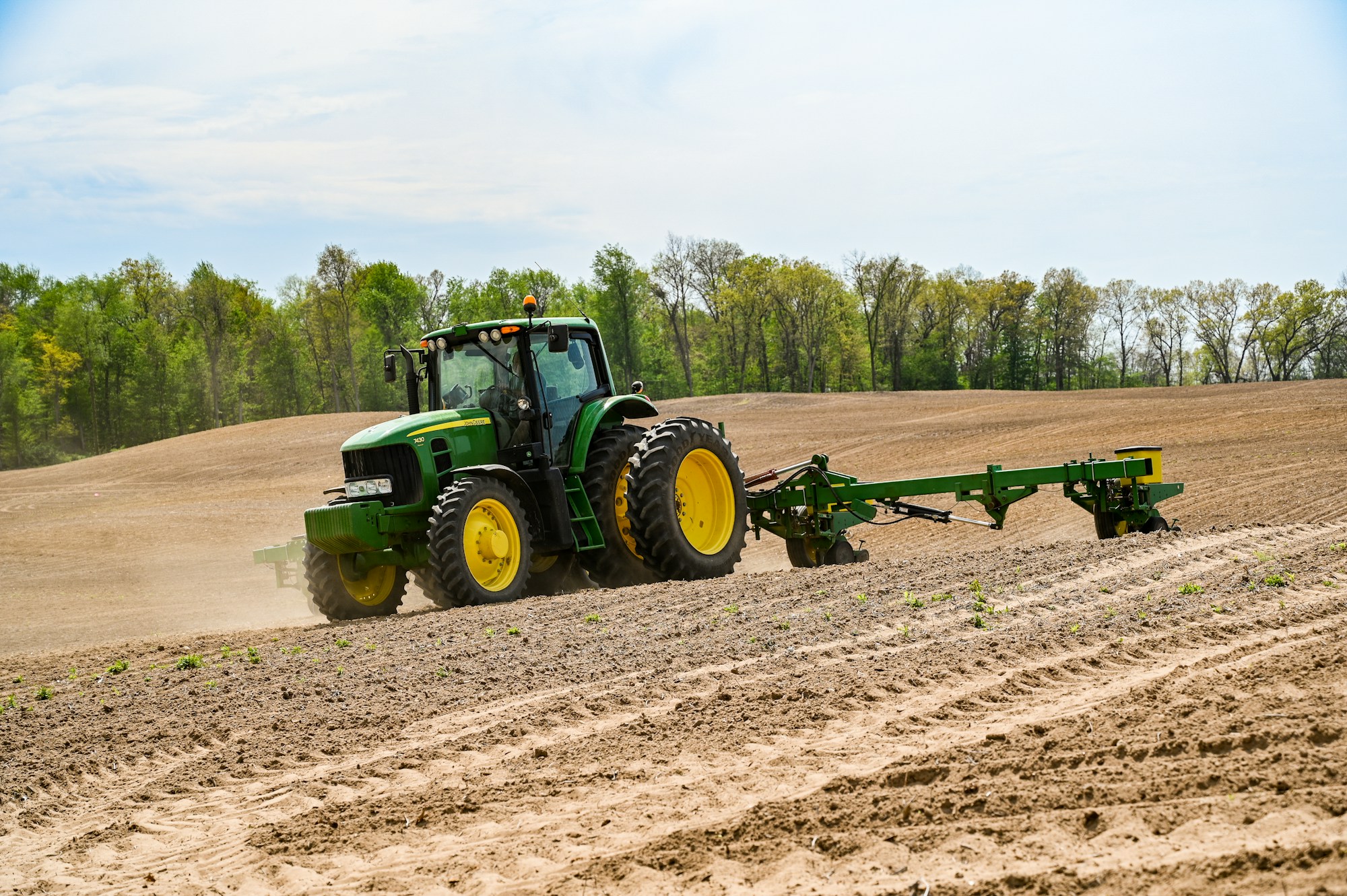
As an entrepreneur, you need machinery to produce, harvest, build, or transport. But purchasing machinery requires a lot of capital. That is why more and more companies are opting for leasing or renting as an alternative. Yet, the difference between the two options is not always clear.
Is renting just another word for leasing? What influence does the choice have on your accounting, ownership, or taxes? And above all: when do you choose one, and when the other?
In this article, we explain in clear language exactly what leasing and renting mean, how they differ legally and fiscally, and which option best suits your situation.
What is leasing?
Leasing is a form of financing where you, as a business, use a machine in exchange for a monthly fee, but where over time you usually also have the option to become the owner.
There are two main forms of leasing:
Financial leasing: you are the economic owner and usually take over the machine at the end of the term. You record the asset on your balance sheet and depreciate it.
Operational leasing: the machine remains the property of the leasing company. At the end of the term, you simply return the device. You do not record anything on your balance sheet.
In both cases, leasing is a long-term solution, usually with contracts ranging from 3 to 7 years. The monthly amount is based on the value, term, and any residual value.
Leasing is mainly used for durable investments in machinery that you use daily or structurally, such as production lines, packaging machines, agricultural implements, forklifts, or CNC installations.
What is renting?
Renting is essentially a rental agreement: you pay for the use of a machine, without any form of ownership or purchase option. You rent the device for a pre-agreed period (short or long), and at the end, you return it. The lessor always remains the legal and economic owner.
Renting is often offered as an all-in-one formula, including maintenance, repairs, insurance, and possibly replacement devices. You pay one fixed monthly amount and do not have to worry about residual value or accounting processing.
Renting is interesting for machinery that you only need temporarily, such as for seasonal work, project-based assignments, or as a test before purchasing.
Legal and accounting difference
The fundamental difference between leasing and renting lies in the ownership and accounting treatment.
With financial leasing, the machine is considered an investment by the lessee (you as an entrepreneur). You activate it on your balance sheet, depreciate it over several years, and recover the VAT on the purchase price (either all at once or spread out). You are also responsible for maintenance and insurance.
With renting, the asset remains completely off your balance sheet. You book the monthly rental cost directly as an operating expense. You do not build up ownership and do not depreciate anything. It is therefore a pure cost in the income statement.
With operational leasing, you are somewhere in between: the machine remains off your balance sheet, but you usually have more obligations (such as insurance or specific maintenance requirements) than with a classic rental.
Tax treatment: deductibility and VAT
Both with leasing and renting, monthly payments are tax-deductible, as long as they concern machinery used for professional purposes.
With financial leasing, you can record depreciation and interest as expenses. The VAT on the full purchase price is usually charged all at once and is partially recoverable.
With renting, you book the full rental price as an expense, and you recover the VAT on the monthly amount (provided the machine is used for business purposes).
The choice therefore has consequences for your cash flow, your balance sheet position, and your tax burden. Leasing increases your assets, renting increases your expenses.
When do you choose leasing?
Leasing is ideal if:
you use a machine intensively and for a long period (daily, for several years)
you want to become the owner in the long run or want to activate the device on the balance sheet
you want to spread investment capacity, but at the same time benefit from tax advantages
your machine plays a central role in your production or service
Example: a packaging line in a food company or a fixed agricultural implement in the field.
When do you choose renting?
Renting is interesting if:
you only need a machine temporarily (e.g. for a construction site or seasonal peak)
you do not desire ownership or want to avoid risk
you are looking for all-inclusive convenience: maintenance, repairs, replacement
you need a quick solution, without heavy administration
Example: a mobile concrete mixer for a specific project or a harvesting machine for only 3 months a year.
Conclusion: leasing for long-term investments, renting for flexibility
Both leasing and renting are valuable solutions for financing machinery. The difference lies in ownership, duration, tax treatment, and flexibility.
Leasing suits companies that structurally need machinery and want to become owners in the long run. Renting is ideal for those focused on the short term, maximum peace of mind, and who do not want to build up obligations.
LeaseBroker is happy to help you make the right choice. We analyze your sector, your needs, your accounting, and your tax situation. In this way, we propose a leasing or renting formula that truly fits your business.
Want to know what is most profitable for your machine? Contact LeaseBroker today for a free consultation. Our team of experts is ready to discuss your specific needs and find the ideal financing solution for your situation. Call us on 0800 21 039 or email info@lease-broker.com to make an appointment. Let LeaseBroker guide you to the perfect leasing solution!