Discover how you as a haulier or SME can put together a lease contract that fits your usage, tonnage and strategy. Smart investing in your truck fleet? Read here how.
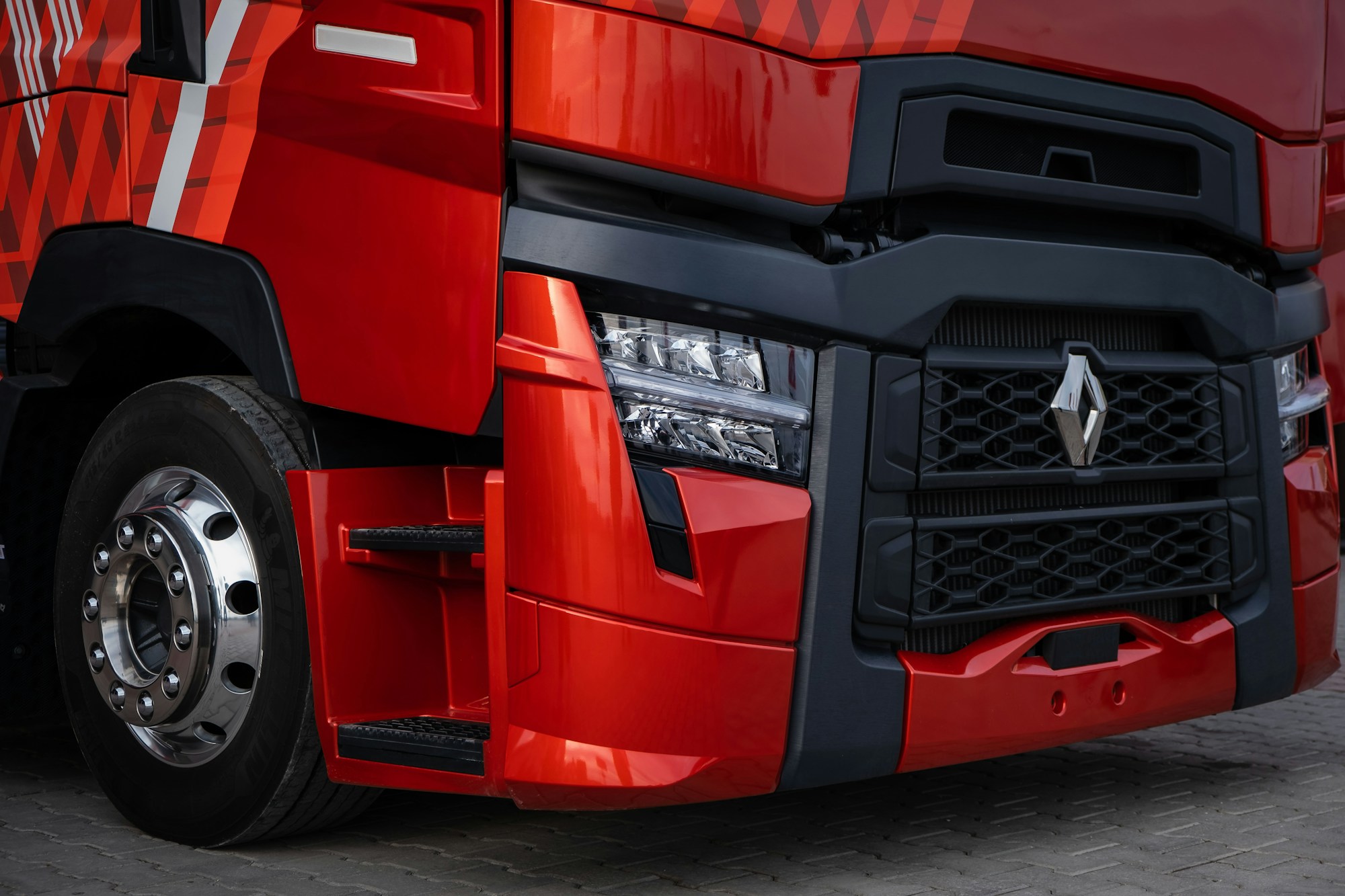
For hauliers and logistical SMEs, choosing a truck is not a standard decision. Every transport activity requires a specific vehicle profile — think of tonnage, operating range, body type or frequency of use. That is precisely why custom leasing is gaining popularity: you put together a lease formula that seamlessly aligns with your daily reality, without putting pressure on your cash flow. In this article, you will discover how to approach truck leasing strategically, which choices you need to make and what you should definitely look out for.
Why do hauliers lease on a custom basis?
The transport sector is evolving rapidly. Customers expect more flexibility, stricter environmental standards force fleet renewal, and margins are under pressure. In such a context, it is not always desirable or feasible to invest heavily in owning trucks. Leasing then offers a way out: you retain capital for other strategic goals, while still having high-performance vehicles at your disposal.
But not all leases are the same. A refrigerated transport company has different needs than a regional construction supplier. By tailoring your lease formula to your type of activity, you avoid over- or under-investment and maximize the return on each vehicle.
Which trucks can you lease?
At LeaseBroker, we see a growing demand for different types of trucks, depending on their use:
Tractor-trailer combinations for international transport
Rigid trucks with tail lift for urban distribution
Crane trucks or tippers for the construction sector
Tankers or container chassis for specific niches
Electric trucks for zero-emission zones
Each type of vehicle requires a different approach in terms of the lease contract. Think of mileage limits, maintenance formulas, residual value, and contract duration. Customization here is not a luxury, but a necessity.
Operational or financial lease?
The choice between operational and financial lease depends on your strategy:
Operational lease is interesting if you want flexibility. You pay a fixed monthly amount, the leasing company remains the owner and you do not have to worry about the residual value. Often including maintenance, tyres and insurance.
Financial lease is suitable if you want to become the owner in the long run. The vehicle goes on your balance sheet and you depreciate it. The residual value is fixed in advance, which offers transparency.
For those who want to build up their fleet step-by-step, a combination of both systems can be relevant.
Duration of the lease contract: adjust to deployment and intensity
An important part of customization is the term of the lease contract. Anyone driving internationally on a daily basis quickly covers 100,000 km per year — and therefore wears out a vehicle faster. In that case, a shorter term with higher monthly payments is often more advantageous than a long contract that ends with a worn-out vehicle.
If, on the other hand, your driving is limited and mainly local, a longer term with a sharp monthly price is more interesting. By mapping out your actual deployment, you draw up the right contract.
Flexible fleet: short-term lease or seasonal expansion
For SMEs that experience peak periods, such as e-commerce companies or farmers, it can be interesting to include short-term lease in their strategy. You then rent a truck for a few months without long-term commitments. Think of extra volume around the end of the year, construction holidays or harvest period.
Some leasing companies also offer "flex-lease": a contract with a fixed term, but with the option of early return or upgrade. This provides breathing room in case of sudden market changes or rapid growth.
Maintenance, tyres and service contracts: include or arrange yourself?
Customization does not stop with the vehicle. Many companies choose to include maintenance and tyres in the lease package. This ensures predictable costs and less administration. Others prefer to manage the maintenance themselves via their regular garage or internal workshop.
Discuss in advance which service formula suits your organization. Pay attention to the included services: replacement vehicle, breakdown assistance, mileage allowance if exceeded, and so on.
What about tax impact and balance sheet?
With a financial lease, the truck is recognized on your balance sheet. This affects your solvency, but you also build up equity and can depreciate. With an operational lease, the vehicle is off-balance sheet, which is beneficial for your balance sheet structure — especially for credit applications.
Let your accountant advise you on the impact on your EBITDA, cash flow and investment ratios, so that your leasing does not pose an obstacle to future growth plans or acquisitions.
A lease solution tailored to your transport reality
Anyone who blindly chooses a standard lease package today risks paying more than necessary. By tailoring your lease solution to the nature of your transport, your frequency of use, type of cargo and growth plans, you get the most out of every euro. LeaseBroker helps hauliers and SMEs daily to conclude smart, scalable lease contracts that move with their activities. This way, you not only build a sustainable fleet, but also a financially healthy business.
Get in contact with LeaseBroker today for a free consultation. Our team of experts is ready to discuss your specific needs and find the ideal financing solution for your situation. Call us on 0800 21 039 or email info@lease-broker.com to make an appointment. Let LeaseBroker guide you to the perfect leasing solution!