New cars are becoming larger, heavier, and more expensive due to stricter safety requirements, electrification, emission regulations, and the SUV trend. Brands are also steering towards higher margins, while customers continue to prefer comfort and “presence”—leasing helps to remain flexible.
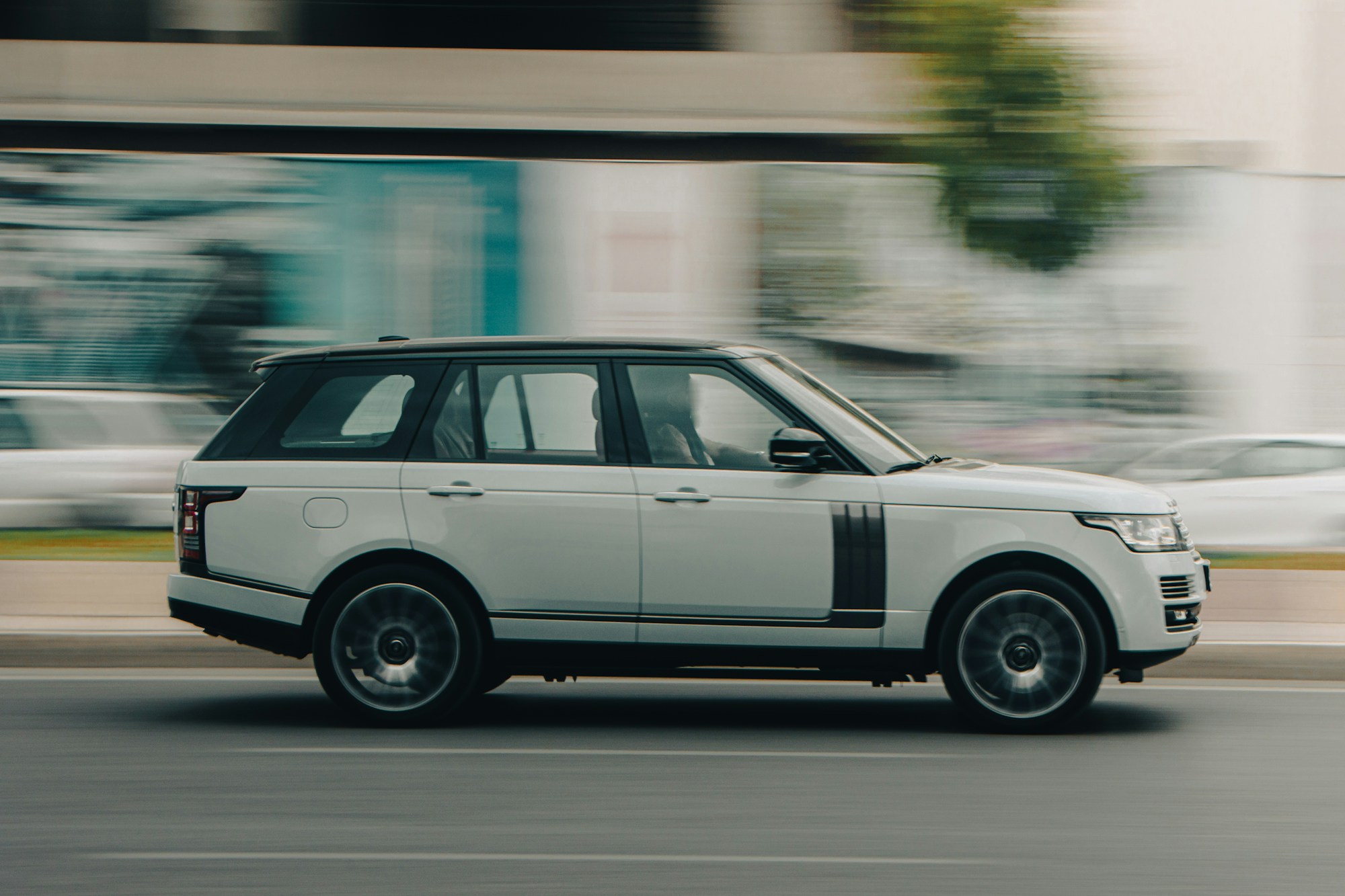
New cars have not only become more expensive in recent years, but often also larger and heavier. This has multiple causes: stricter regulations, electrification, the popularity of SUVs, and the way car brands must secure their profit today. At the same time, many buyers simply want more space, which translates into extra legroom in the back seat and a large trunk for luggage.
1) Car manufacturers earn more from larger models
Larger cars (especially SUVs and premium versions) generally yield higher margins. This is because:
the selling price is higher
options and equipment packages "grow" more easily (large rims, luxury interior, infotainment)
customers are willing to pay more for space, appearance, and driving comfort (e.g. extra legroom on the back seat and a larger luggage compartment)
As a result, the offer shifts to larger segments, and even a classic "compact" model often grows generation after generation. Where in the past you would have ended up sooner with a small car (think: Kia Picanto as the perfect city car), today people are more often directed towards a compact crossover.
2) Safety and assistance systems make cars heavier and more complex
Modern cars must comply with stricter crash and safety standards and increasingly come as standard with:
more airbags and reinforcements
radar and camera systems (ADAS)
extra electronics and computing modules
This increases not only the weight, but also the development cost and (potentially) the repair cost in case of damage.
3) Electrification is a major weight factor
With electric cars, the battery is the main reason why cars are becoming heavier. To achieve a competitive range, brands often choose larger battery packs, which causes a chain reaction:
larger battery = more weight
more weight = stronger chassis/brakes/suspension needed
stronger components = even more weight
In addition, battery placement often requires a longer wheelbase, which makes cars on average longer and wider (the length easily exceeds 4.4 meters in some models).
4) Emission and environmental rules push up the cost price
Stricter emission regulations also make petrol, diesel, and hybrid cars more expensive due to:
extra after-treatment systems (filters, sensors, software)
more testing and homologation costs
more complex drivetrains
At the same time, manufacturers are investing heavily in EV platforms and software. These investments eventually return (partly) in the retail price.
5) "Made in Europe" and local sourcing can increase prices
If Europe focuses more on local production of strategic parts (such as batteries and key components), this can make the supply chain more robust—but also more expensive if local production has higher energy, wage, or raw material costs.
In other words: strategic autonomy is positive, but it can have a price impact on the end customer.
6) Customer demand also plays a role
Many drivers want:
more space and comfort
a higher entry
a sense of safety and "presence"
more equipment
a large trunk and flexible luggage space (e.g. seats folded flat for extra loading space)
Even though people complain about parking problems or high prices: buying behavior steers brands towards larger, heavier, and more richly equipped vehicles. This is evident in the popularity of the Nissan Qashqai or Hyundai Tucson (typical spacious SUV), but also among those hesitating between a family car and premium: a BMW 2 Series feels "just spacious enough" for some, while others immediately look at a spacious station wagon such as a Skoda Superb Combi or even a Volkswagen Passat to make no compromises with strollers and suitcases.
For those really looking for space (e.g. third row of seats for seven people), larger family SUVs come into play, such as a Kia Sorento—or even larger, towards a Ford Explorer. In that class, some brands even speak of cargo volumes up to around 2,274 liters (depending on configuration).
What does this mean for your budget and your mobility policy?
Larger and heavier often means:
higher purchase price
potentially higher insurance and repair costs (more sensors/electronics)
different tire wear and maintenance costs
different residual value dynamics (especially with rapid technological evolution)
For companies, it therefore becomes more important to weigh the advantages and disadvantages per type of vehicle: do you buy new, do you choose second-hand, do you go for "roomier is better", or is a more compact solution sufficient?
How leasing helps you stay flexible
In a market where prices are rising and technology is changing rapidly, leasing can help to:
protect your cash flow
limit risks regarding residual value and resale (depending on formula)
include maintenance/insurance for predictability
switch faster when regulations or taxation change
LeaseBroker helps companies choose the best financing option based on their situation—from long-term rental with purchase options to formulas where you become the owner at the end (low residual value), and sale-and-leaseback to free up capital. In doing so, we also look at usage (kilometers, charging needs, family/work), desired luggage space, and what is realistically available in the market (stock).
Contact LeaseBroker today for a free consultation. Our team of experts is ready to discuss your specific needs and find the ideal financing solution for your situation. Call us on 0800 21 039 or email info@lease-broker.com to make an appointment. Let LeaseBroker guide you to the perfect leasing solution!